
As Asia’s private markets continue to mature, capital allocation is becoming more disciplined and selective. Underwriting conversations are increasingly shifting from “potential” toward durability, focusing on duration risk, governance standards, and operating exposure within the real economy.
These themes were central to discussions at the Women’s Private Equity Summit APAC 2026 in Singapore.

On 2 February, Antares Ventures Partner Milena Nikolova joined Rosalind Bazany (Antler), Puiyan Leung (Vertex Ventures SE Asia & India), and Piruze Sabuncu (Square Peg) for the panel discussion, “Venture Capital: The Best Bets Will Be Made On…?”
The conversation explored how conviction forms in a more rigorous capital environment. For Antares, conviction begins with precise problem definition. A venture “bet” is not thematic enthusiasm, it is a thesis grounded in structural constraints, whether in energy systems, industrial heat, computing infrastructure, or urban resilience. As companies move from development to deployment, conviction is sharpened by operating feedback, customer validation, and execution discipline.
In deep tech, this evolution is particularly relevant. Managing long development cycles has always been part of the equation. What differentiates companies today is their ability to sustain performance in live environments, from maintaining uptime and integrating into complex infrastructure to delivering reliability under real operating pressure.
Read More: Conviction in Deep-Tech: Conversation with Michael Gryseels on The Impact at Scale Podcast
Across the summit, one theme was clear: attention often concentrates where answers are immediate, but durable value is built where trade-offs are complex and require sustained examination. As Asia’s private markets evolve, conviction is concentrating where businesses demonstrate structural resilience.
If your work intersects with deep tech, structural innovation, or long-duration capital in Asian growth markets, we welcome the conversation. Connect with us
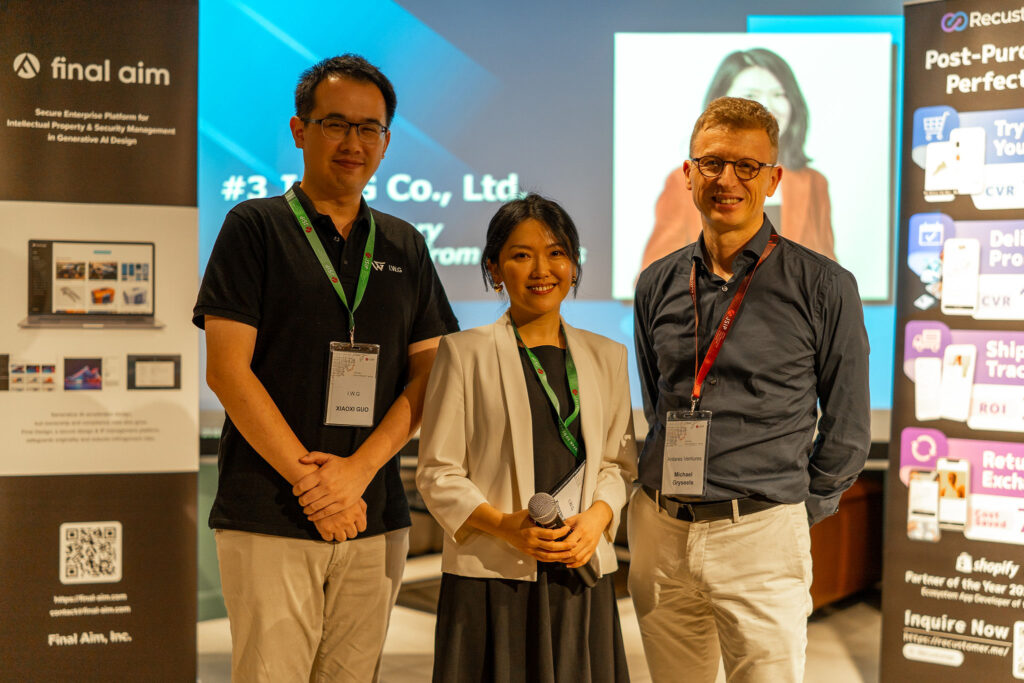
In late December 2025, Antares Ventures participated in the Southeast Asia Capital Access Program in Singapore. Our Founder and Managing Partner Michael Gryseels served as a judge alongside Tomo Shikata of Insignia Ventures Partners, Hsien Hui Tong of SGInnovate, David Bonifacio of TNB Aura, and Zen Liew of Gobi Partners. The program brought together Japan-based startups with investors and corporate participants from across Southeast Asia.
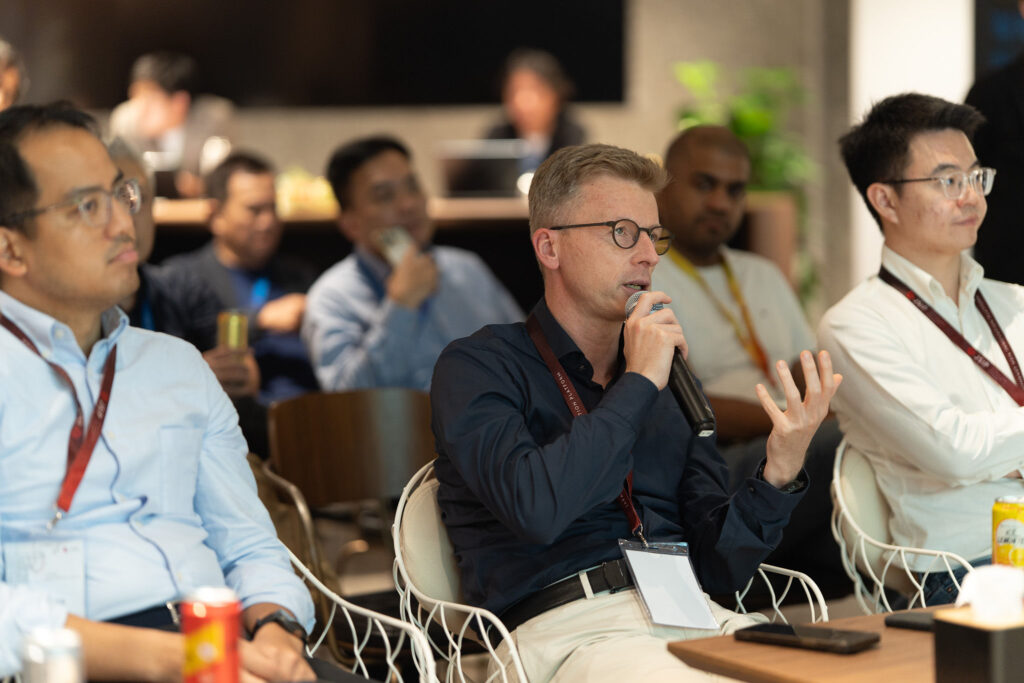
The exchange highlighted the level of technical ambition emerging from Japan-based founders. Several companies presented work in advanced materials and energy-related technologies. Many teams demonstrated an intention to extend relevance beyond their domestic market and engaged directly with questions around regional deployment.
Southeast Asia offers meaningful scale opportunities for deep-tech companies. Market engagement across the region requires attention to regulatory structures, infrastructure readiness, partnership development, and capital alignment that vary across jurisdictions. Early discussion of these operating conditions supports more grounded expansion planning and clearer capital pathways.
Programs such as the Southeast Asia Capital Access Program create structured environments for these conversations to take place before formal market entry. They also allow investors to better understand how companies are preparing for cross-border deployment and operational complexity.
We thank JETRO and Japan Southeast Asia Innovation Platform (JSIP) for convening founders and investors for substantive dialogue in Singapore.
If you are building science-driven technologies with cross-border scale in mind, we welcome the opportunity to connect. Connect with us | Explore our thesis
Can Asia’s explosive growth be sustained without Deep-Tech intervention?
Asia’s cities are the engines of economic growth and innovation. Yet, this promise is being tested by structural strain, from overloaded infrastructure to compounding climate risk, including heatwaves and flooding. The challenge is not simply maintenance, it’s the need to re-architect these complex systems for long-term resilience and competitiveness.
That’s why Antares Ventures is proud to partner again with The Liveability Challenge (TLC) 2026, presented by Temasek Foundation and organised by Eco-Business, because it aligns with our core belief: the next foundation for growth must be built on science-based solutions from world-class founders.
From eliminating carbon emissions to enhancing climate adaptation, we are seeking Deep-Tech breakthroughs ready to accelerate Asia’s industrial cycle, specifically in the urgent challenges of decarbonisation.
Submit your innovation to TLC 2026 before 9 February 2026 deadline to secure over S$4 Million in catalytic funding and investment opportunities. Click below

***

DECARBONISATION
We are looking for disruptive deep-tech solutions that provide scalable and impactful solutions to reduce carbon emissions across diverse industries.
1) Waste-to-resource: Effective capture and conversion of key waste streams (e.g., point-source carbon, biomass-based or other waste carbon) into value-added products (e.g., point-source or direct CCUS into consumables such as sustainable aviation fuels, marine fuels, chemicals, higher carbon products, fertilisers, proteins) or permanent carbon removal and storage (e.g., point-source or direct CCUS into stable building materials)
2) Renewable energy: To generate cost-effective energy from renewable sources (e.g., wind, solar, hydropower), technologies that accelerate the clean energy transition (e.g.,green hydrogen, ammonia), as well as solutions that facilitate the long-term storage of energy and address energy intermittency (e.g., batteries and battery energy storage systems).
3) Energy & resource efficiency: Significantly reduce energy consumption and carbon emissions produced by built environment systems (e.g., building cooling systems) as well as hard-to-abate industries (e.g., manufacturing – food & agriculture, cement, steel, aviation, marine, logistics, healthcare).
4) By-product valorisation: Repurpose carbon- and potassium-rich by-products currently combusted into potassium salt solutions to avoid energy-intensive processing and create higher-value applications.
5) Sustainable ammonia: Develop low-emission, cost-efficient pathways for ammonia production that are less CAPEX-intensive
6) Carbon capture: Lower the cost of CO₂ capture and purification beyond conventional amine-based methods, using alternatives such as solid sorbents or membranes.
7) Biofuel feedstocks: Enable commercially viable use of lignocellulosic biomass (stems, leaves, fibres) to improve yield and cost efficiency in 2G biofuel production.
8) Resource efficiency: Advance solutions to reduce energy and water intensity, improve desalination efficiency beyond reverse osmosis. Manage grid challenges from rapid solar PV integration.
COOL EARTH
We are seeking groundbreaking innovations that enhance mitigation, resilience and adaptation to climate-induced extreme weather events those that provide (especially heat) as well as large-scale cooling benefits and adaptive solutions that strengthen resilience across diverse industries.
9) Heat mitigation: To mitigate the growing challenge of excessive heat by focusing on reducing temperatures and/or adaptation solutions to help societies, especially vulnerable populations, withstand and adapt to the adverse effects of rising temperatures and more frequent heatwaves (e.g. climate-smart and climate-resilient food & agriculture, advanced materials for cooling – nano-coatings and film).
10) Nature-based solutions: For building climate resilient societies for at-risk groups through replicable and viable models that deliver impact for planet, people, and profit in the space of blue carbon (e.g. seaweed cultivation, mangrove restoration for coastal communities, peat) and green carbon (e.g. bamboo cultivation, low-methane agriculture)
***
The center of gravity for Deep Tech commercialization is moving toward Asia’s growth markets. If your solution is ready to make that transition, we look forward to hear your submission. Contact Us
Singapore, 12 November 2025 — Antares Ventures, a deep-tech specialist Venture Capital focused on Asia’s Growth Markets, today announced its lead investment in Aslan Renewables (Aslan), a Canada-based deep-tech company unlocking new growth in hydropower by enabling run-of-river hydro energy through scalable, modular systems and advanced digital operations.
The CA$1.25 million financing round, which also includes participation from MaRS Investment Accelerator Fund (IAF) and UCeed Renewable Fund at University of Calgary, will support early deployments and commercial scaling, strengthen Canada’s energy resilience, and position the company for future expansion into Asian growth markets.
Michael Gryseels, Founder and Managing Partner of Antares Ventures, said, “At Antares, we back rigorous, commercially grounded solutions that strengthen energy resilience. Southeast Asia holds vast untapped hydropower potential, yet traditional mega dams are not the answer. Aslan’s modular systems and data-led operations make run-of-river hydro as well as reactivation of dormant sites both practical and scalable—turning static water infrastructure into dependable baseload power for the modern grid.”
Hydropower has long been one of the most overlooked yet proven renewable sources across Asia, including in rural regions. Aslan Renewables brings the right discipline to that problem. Its modular systems and data-led operations make the reactivation of dormant sites both practical and scalable, turning static assets into dependable baseload power.
Andrew Murray, CEO & Founder of Aslan Renewables, said, “Hydropower has powered Canadians for generations. But the era of mega-dams is behind us. By re-energizing thousands of small, dormant sites, we can modernize legacy infrastructure, deploy at speed, and unlock gigawatts of dependable, clean power.”

Aslan Founding Team, led by CEO Andrew Murray
Aslan combines modular hydro hardware with a digital operations layer that enables predictive control, real-time environmental monitoring, and automated compliance. This integration turns legacy water infrastructure into distributed, data-verified power systems that operate with consistency and transparency.
While hydroelectricity has long been a Canadian strength, only 2% of the country’s 50,000 dams currently generate power. By re-energizing thousands of small, dormant sites, Aslan Renewables is addressing this underused capacity with a scalable and environmentally responsible model. Canada offers a powerful proving ground for Aslan’s model, while Asia’s hydropower-rich potential yet underutilized infrastructure present the natural next frontier for deployment.

Last month, Aslan was named the #1 Winner in Energy Transition Track at Climate Impact Innovation Challenge 2025 (CIIC) in Indonesia, hosted by Temasek Foundation and East Ventures. The recognition reflects the company’s technical depth and the relevance of its model to regions facing similar structural challenges, abundant underused water infrastructure, and growing baseload demand.

Michael Gryseels added, “While Aslan’s first deployments are in Canada, the model carries strong relevance for Asia’s growth markets. Recognition at the Climate Impact Innovation Challenge underscores both its scientific strength and the applicability of its approach to regions where underused infrastructure and rising baseload demand converge. Beyond capital, Antares will support Aslan in exploring pathways for Asian market entry, leveraging its Asia Acceleration Model and partnerships across key regional utilities and energy infrastructure operators.”
The participation of MaRS IAF and UCeed Renewable Fund, alongside Antares Ventures, reflects growing investor confidence in global approaches to energy resilience. Together, this round demonstrates how disciplined technology development and credible partnerships can accelerate clean-energy deployment with relevance across North America and Asia.
***
About Antares Ventures
Antares Ventures is a specialist deep-tech venture capital fund with a mission to catalyse the scaling of world-class innovation across Asia Growth Markets. We invest globally in early-growth-stage startups developing transformative technologies across our key thematics of the future of energy & industries, future of cities, future of computing and the future of agrifood. Through our proprietary Asia Acceleration Model and partnerships with leading Asian industrial groups, we bridge world-class innovation with Asia’s growth opportunities.
For more information, visit www.antares.ventures
About Aslan Renewables
Founded in 2019 in Prince Edward Island, Aslan Renewables designs and deploys modern hydro systems that reactivate decommissioned and under-utilized water infrastructure. By combining modular turbine design with advanced monitoring software, Aslan delivers cost-efficient, ecologically friendly, and rapidly deployable power solutions across North America and beyond.
For more information, visit www.aslanrenewables.com
On November 6, 2025, Antares Ventures convened the Bangkok edition of Beyond Carbon & Silicon at Banyan Tree Bangkok, with support from Thai Wah Public Company Limited, Banyan Tree Bangkok, and Singapore Global Network.
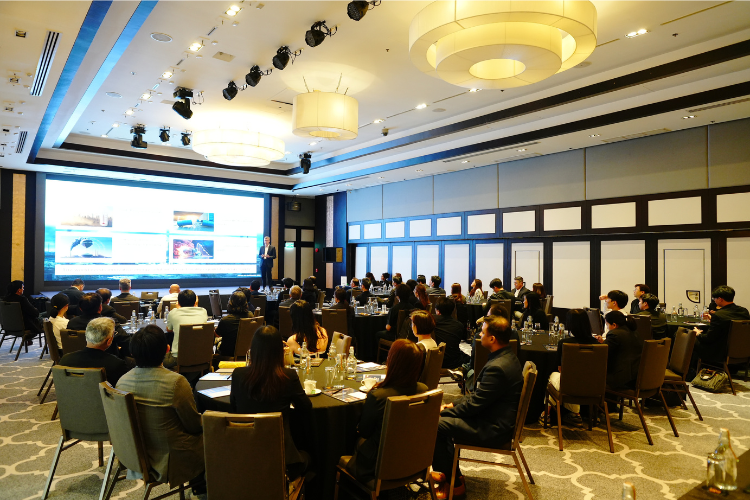
The forum brought together more than 70 investors, corporate leaders, family offices, corporate venture capital leaders, strategic investors, and deep-tech founders from Thailand and Southeast Asia to explore how the convergence of energy and computing is reshaping competitiveness across Asia’s growth markets.
For decades, carbon and silicon powered global growth, one fueling energy and the other enabling computation. Both are now reaching limits. As AI, data infrastructure, cooling demand, and industrial electrification scale, the future of energy and computing is becoming one system, each increasingly dependent on the other.
Asia sits at this intersection, where rising heat, rapid urbanization, fragile grids, growing data center demand, and industrial decarbonization pressures meet distinct regional advantages: renewable resources, founders who think globally, growing capital depth, and corporates ready to act. The region is becoming a proving ground for whether this convergence can scale and deliver resilience, productivity, and competitiveness.
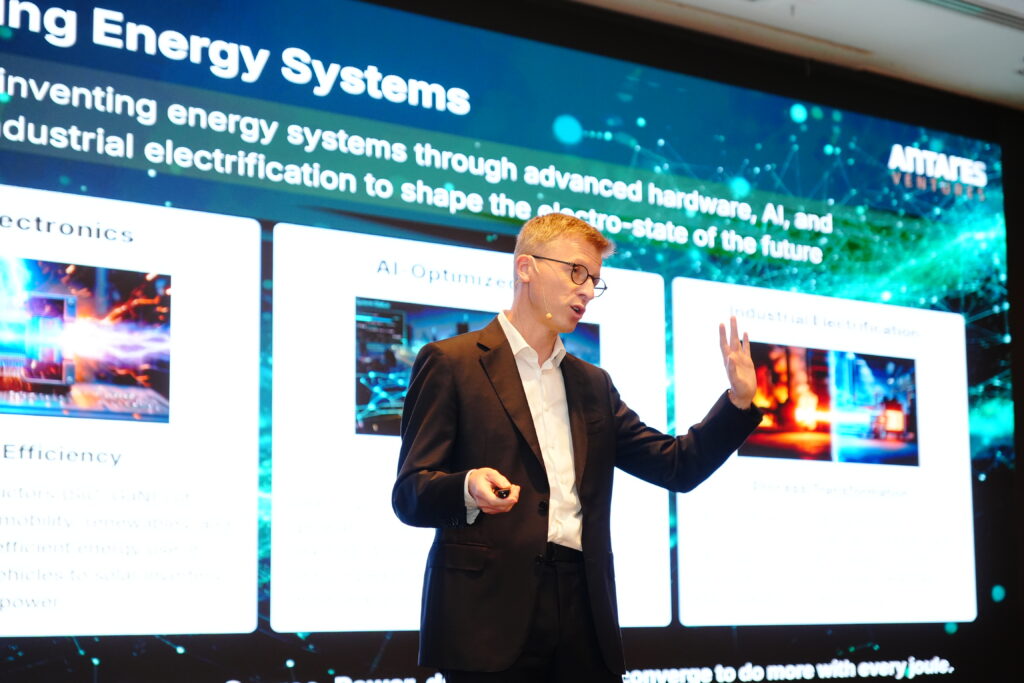
Across the keynote sessions, Michael Gryseels, Founder & Managing Partner of Antares Ventures, and Vishal Devarajan, Associate Partner at McKinsey & Company, discussed how AI and data centers are driving exponential energy demand, how hydrogen, nuclear, and storage technologies rely on computing for modeling and control, and how scaling deep tech demands a shift in how competitiveness is built.
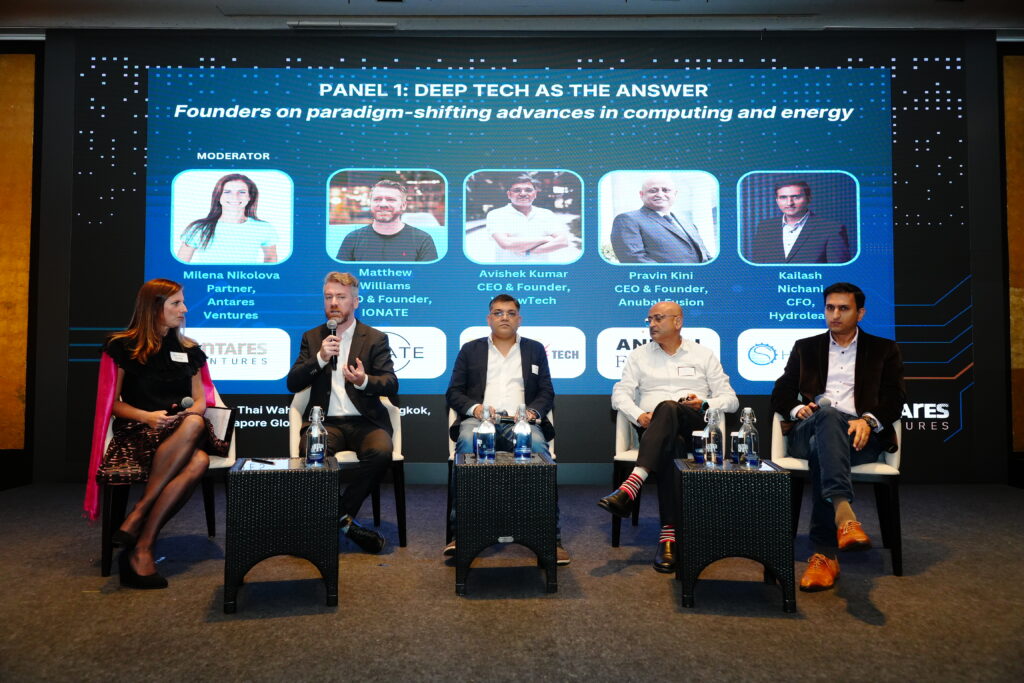
Led by our Partner Milena Nikolova, the first panel focused on how deep-tech founders are addressing the twin pressures of energy and compute. Matthew Williams of IONATE, Avishek Kumar of VFlowTech, Pravin Kini of Anubal Fusion, and Kailash Nichani of Hydroleap discussed how technologies across intelligent transformers, energy storage, nuclear fusion, and water and cooling systems are moving from pilots toward revenue-generating scale.
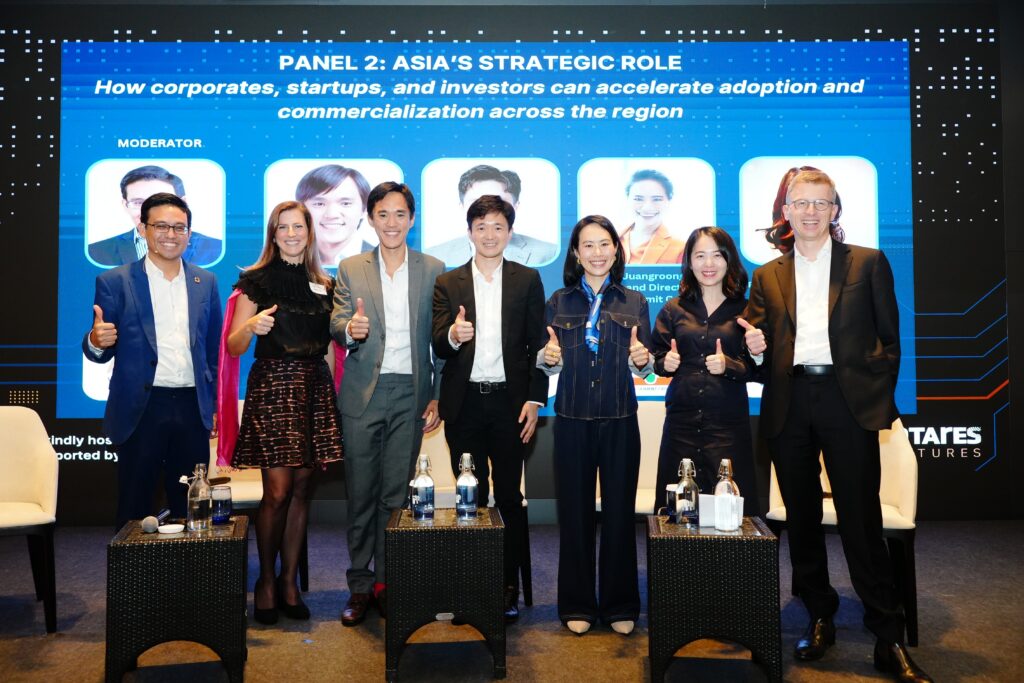
Led by Thailand’s Senior Advisor Sam Tanskul, the second panel examined Asia’s strategic role in accelerating adoption and commercialization. Ren Hua Ho of Thai Wah Public Company Limited, Varut Tummavaranukub of Sermsang Power Corporation PLC, Chanapun Juangroongruangkit of Thai Summit Group, and Peeranuch Wannasirikul of BANPU Public Company Limited discussed how corporates can support deep-tech deployment beyond capital, including through sites, data, offtake commitments, open innovation models, and early procurement pathways.
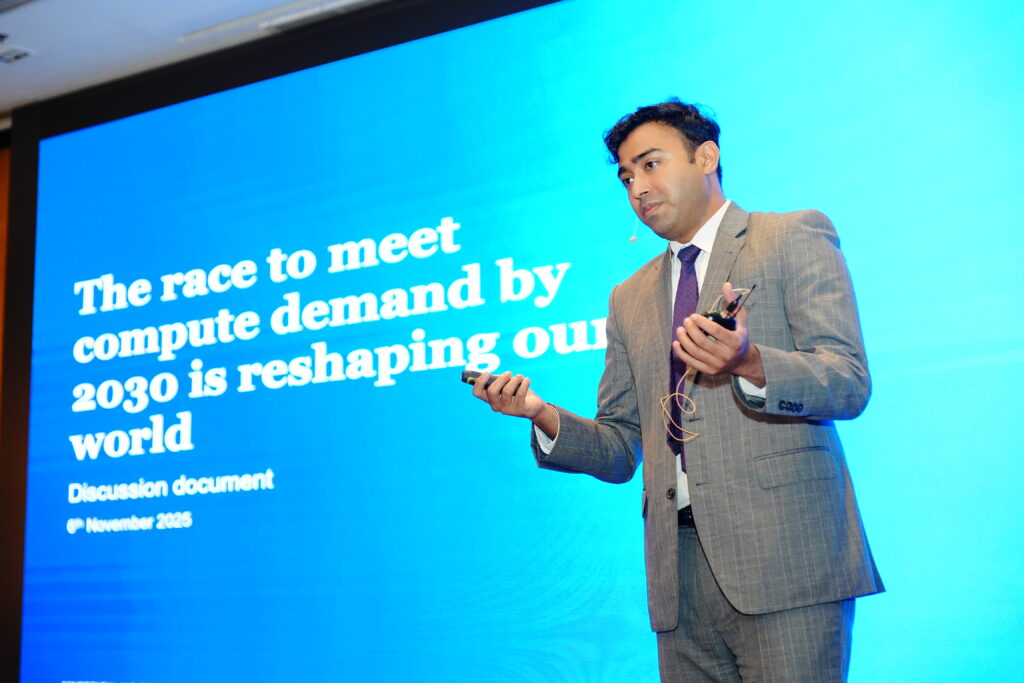
Across panels and receptions, it became clear that Asia’s deep-tech ecosystem is building on its own foundations. Founders spoke about talent, local manufacturing, and grid readiness. Corporates examined pilot models and industrial integration. Investors explored how capital structures and partnerships can accelerate adoption across growth markets.
Scientific breakthroughs may be global, but deployment, value chains, and commercialization are increasingly regional. Asia’s advantage lies in its industrial capacity and in ecosystems that align technology, capital, and industry into scalable systems with purpose and precision.

Antares Ventures thanks Thai Wah Public Company Limited, Banyan Tree Bangkok, Singapore Global Network, all speakers, partners, founders, investors, and participants who shaped the Bangkok dialogue.
The transition beyond carbon and silicon is not only a technology shift. It is becoming part of how Asia’s next industrial cycle is built.
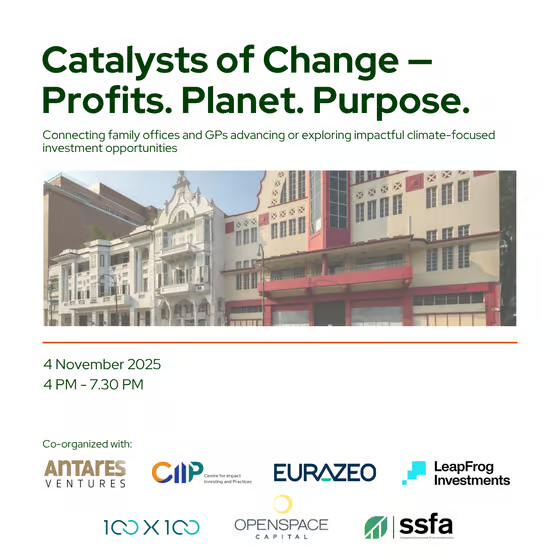
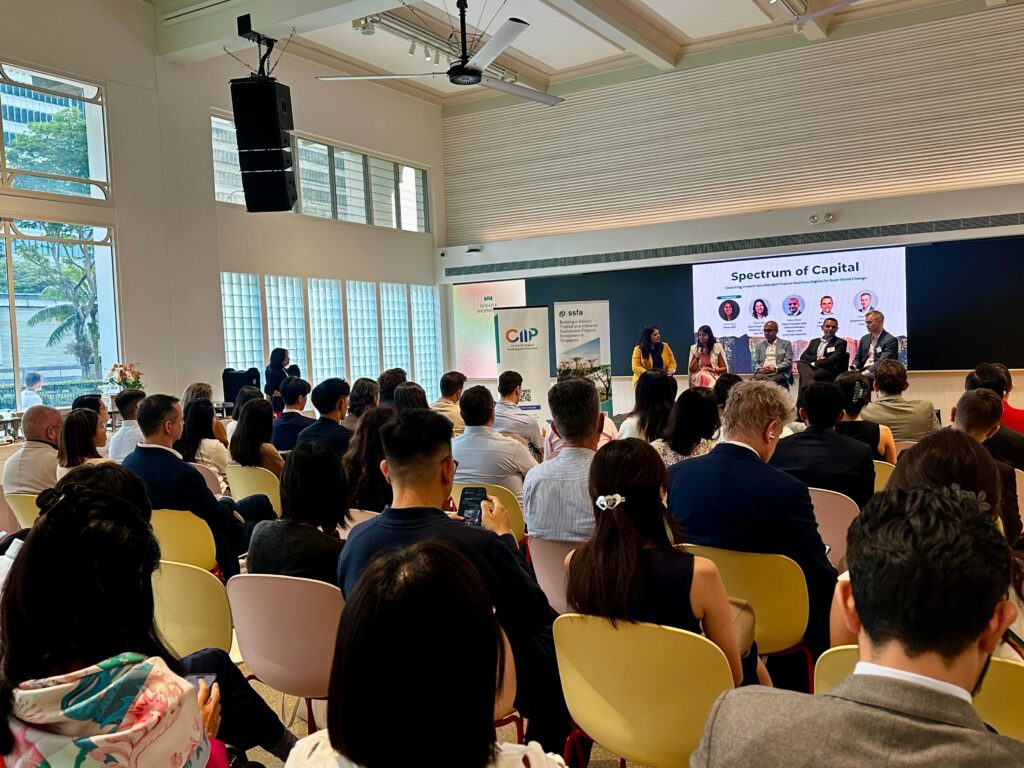
On Nov 4, we host an energizing afternoon at the new Temasek Shophouse with a room full of family offices and long-term allocators. The pace of the conversations was striking as families came to test assumptions, compare evidence standards, and examine what “investable” really means in climate and deep tech today.
Across panel on impact measurement, equitable transition, and the sectoral deep dives in energy, mobility, agriculture, and climate adaptation, one thread kept resurfacing: how to distinguish between thematic enthusiasm and scientific and commercial quality.
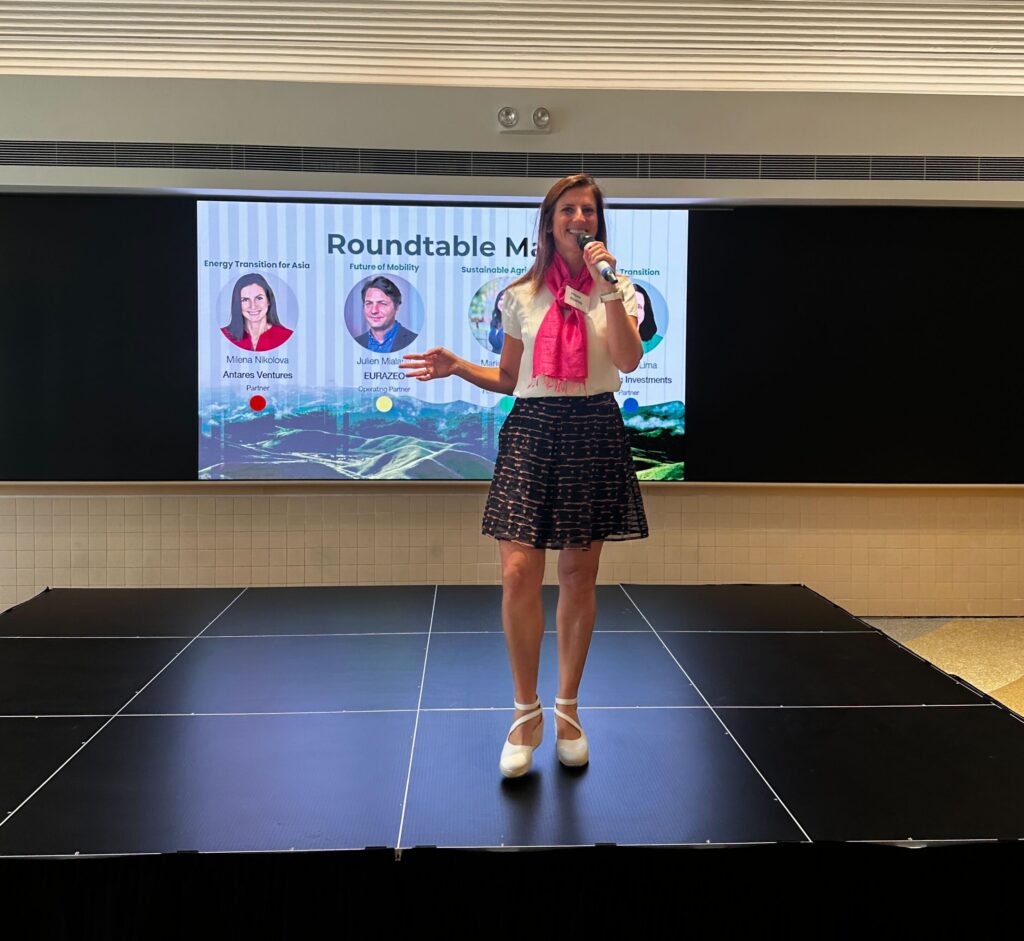
Our Partner, Milena Nikolova highlighted more on grid stability and the relationship between energy supply and compute demand continue to define feasibility, particularly in emerging markets like Asia where demand and constraints are much more structural.
For us, that is where disciplined, technically informed investing becomes essential. Commercial viability emerges when technical soundness meets the right economic structures and a credible path to scale. That lens guides how Antares evaluates global opportunities and how we determine what fits Asia’s growth markets.
We appreciated the candour in the room and thank our co-hosts Temasek Trust’s CIIP, Openspace, Wavemaker Impact, Eurazeo and LeapFrog Investments for anchoring a thoughtful discussion.
Interested in understanding why family offices matter in the next chapter of Asia’s industrial cycle? Talk with us
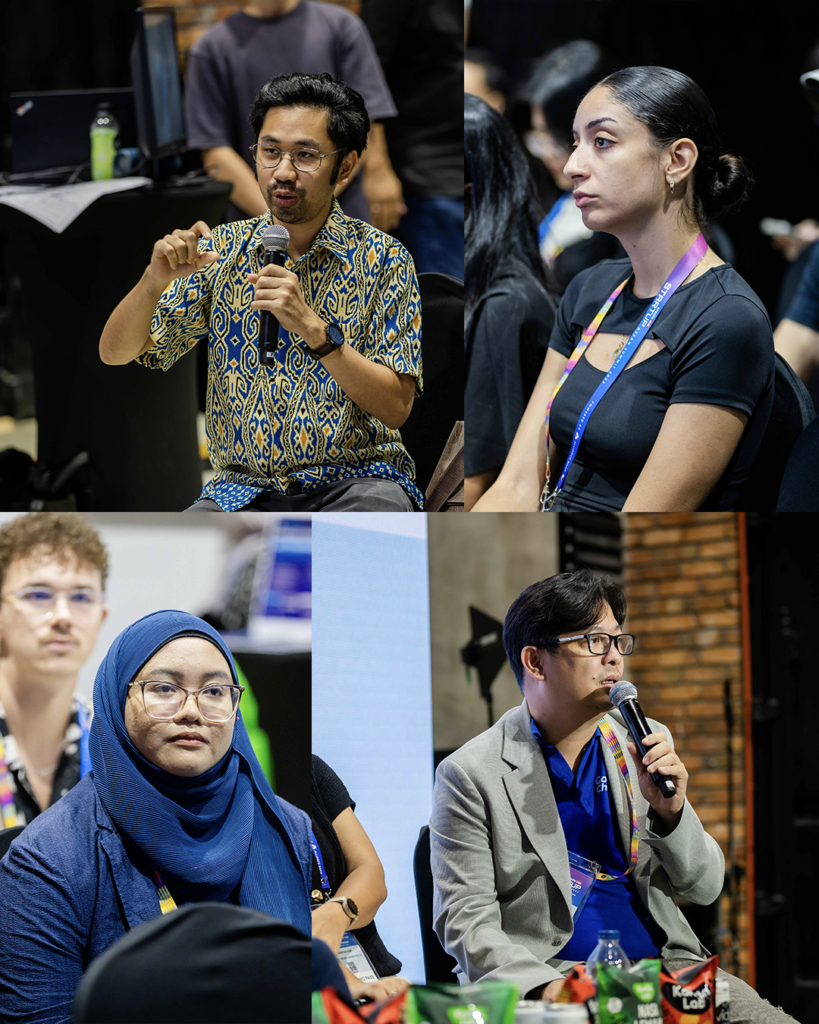
On November 4, 2025, Antares Ventures joined Cradle LIVE! ASEAN Startup Summit 2025 in Kuala Lumpur for a Beyond Carbon & Silicon session focused on deep-tech commercialization across ASEAN.
Held during Malaysia’s ASEAN Chairmanship year, the summit brought together founders, investors, corporates, and policymakers shaping Southeast Asia’s innovation landscape. The Antares session explored how the convergence of energy and computing is redefining competitiveness and sustainability across Asia’s growth markets.
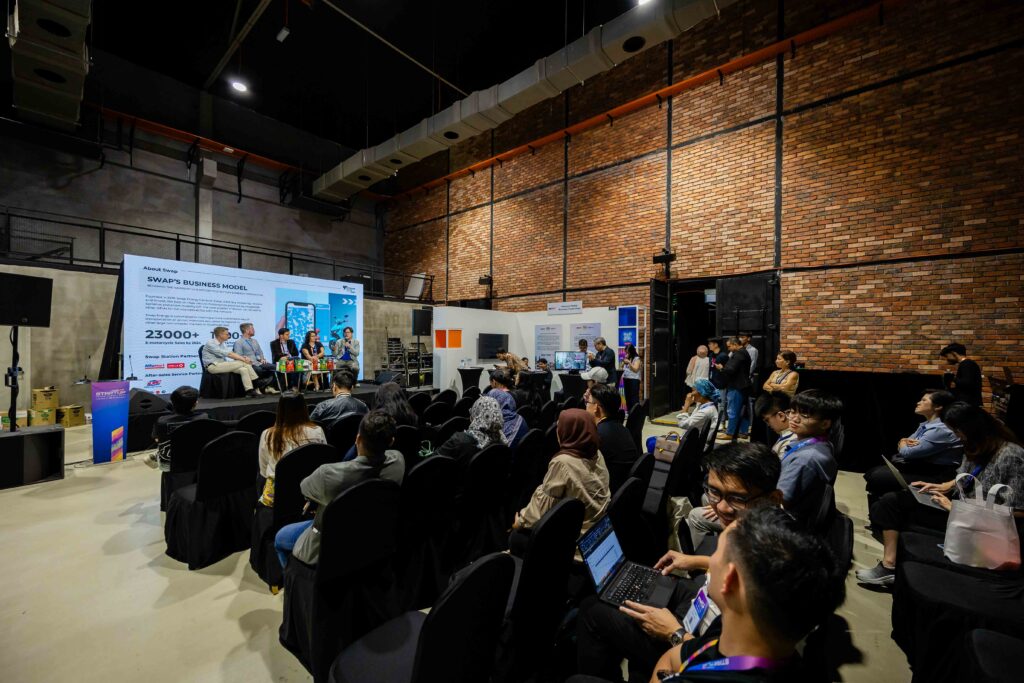
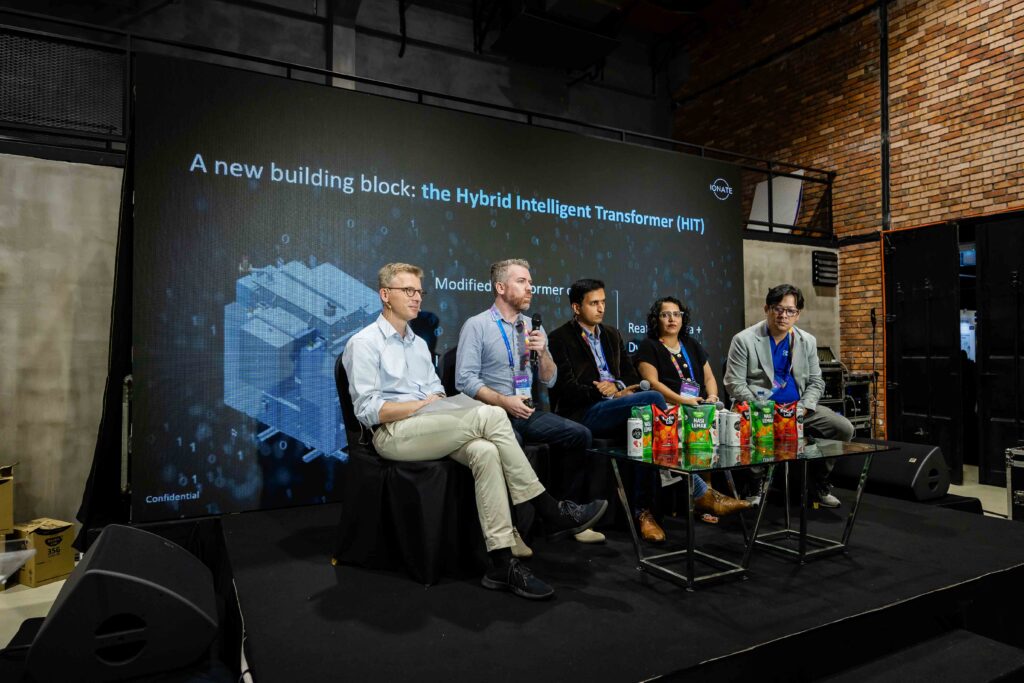
The session opened with a keynote from Michael Gryseels, Founder & Managing Partner of Antares Ventures, followed by a panel featuring deep-tech founders building across grid technology, electric mobility, wastewater treatment, and building energy systems.
The panel featured Matthew Williams of IONATE, Irwan Tjahaja of Swap Energi, Kailash Nichani of Hydroleap, and Jayantika Soni, PhD of Resync. Together, they discussed how frontier technologies are being deployed across ASEAN, where grids, electric mobility, data centers, and critical infrastructure are already demanding new energy solutions.
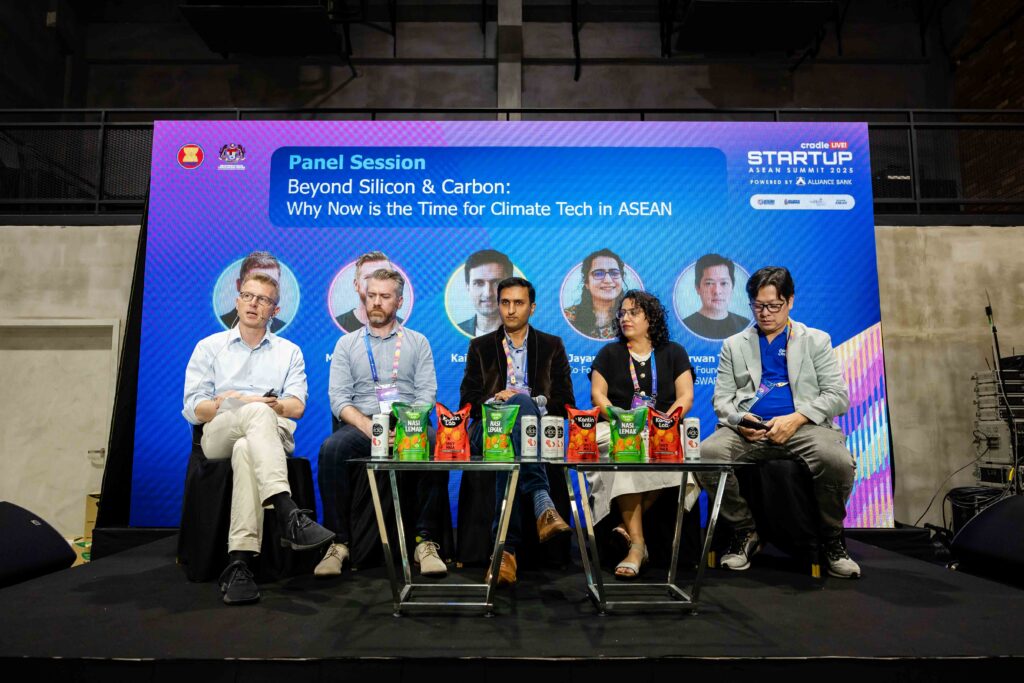
The discussion focused on what commercialization looks like when science-backed ventures meet real-world infrastructure. In ASEAN, scale is not defined by market size alone. It depends on pilots, measurable outcomes, early partnerships, and the ability to integrate technologies into power networks, data centers, buildings, cities, and industrial systems already operating under constraint.
Deep-tech founders are no longer waiting for market readiness. They are shaping it through small-scale deployments, measurable performance, and partnerships with corporates willing to test and adopt new systems.
As highlighted by Michael Gryseels in his keynote, ASEAN now needs corporates and investors who can read those signals more closely, by looking for proof of integration and how technologies perform once they enter a power network, data center, or city.
At Antares Ventures, the value of sessions like this lies in seeing our investment thesis at work. What began as a view on the convergence of energy and computing is now visible in how founders are building around real economic and infrastructure pressures across Asia’s growth markets.
We thank Cradle Fund for opening that space and for engaging founders and partners shaping what deep tech scale now means in ASEAN.
The next phase of climate innovation in ASEAN will be shaped by what can move from technical promise into operating systems.
Global investment is entering a new industrial cycle built around clean energy, reindustrialization, and supply chain resilience. The question is whether this wave of capital can translate into real performance, and we believe deep tech sits at the center of that challenge.
On 29 October in Singapore, we hosted Antares Investor Day, bringing together LPs, investors, founders, and our teams to explore that very question. This inaugural Antares Annual Investor Day was held alongside Singapore International Energy Week (SIEW) and Singapore Week of Innovation and Technology (SWITCH) in EDB Office, Singapore. We did a deep dive into our thesis-driven deep tech investment strategy and showcased global innovation that can address Asia’s biggest structural and sustainability challenges.
In his remarks, our Founder & Managing Partner Michael Gryseels outlined how global capex is structurally shifting toward clean energy and industrial transformation and how our playbook turns that momentum into performance through disciplined selection, active value creation, and defined exit pathways.

Over the past year, Antares has built a strong institutional platform with thesis-driven investments across ten portfolio companies (with one exit), backed by a growing base of strategic partners, investors, teams, and advisors. We were fortunate to have them in our events, including many of our global founders who joined us from as far as Canada, the UK, Germany and India.


We also thank Singapore Global Network (SGN) and Singapore Economic Development Board (EDB) for their support in hosting the event and Jacqueline Chia (Deputy General Manager, SG Growth Capital) for the wonderful welcome address.
Such a diverse gathering is a reflection of our global mandate and how our value-creation model connects frontier innovation with Asia Growth Markets. And this is only the beginning! Onward!
For the last two decades, the founders’ and investors’ playbook in Asia was simple: Take a successful consumer internet model from the US or China and adapt it for the local market.
But as we move into 2026, we are hitting two massive ceilings that “Silicon Valley logic” cannot solve alone.
1. The Carbon Ceiling: We cannot burn more fossil fuels without destabilizing the very region we are building in.
2. The Silicon Ceiling: For the first time in history, the demand for compute (AI) is outstripping the efficiency gains of Moore’s Law.
At Antares, we view the future of energy and computing as one story, inextricably linked, and creating a powerful symbiotic cycle. We are in a defining era where we need both sustainable energy innovations and advanced computing breakthroughs for economic growth, prosperity, and the future of our planet.
At the Tech in Asia Conference 2025 in Jakarta, our Managing Partner Michael Gryseels presented our thesis for this new reality. We call it “Beyond Carbon & Silicon.”
Watch the full keynote presentation below:
Founder & Managing Partner of Antares Ventures, Michael Gryseels, delivers the opening keynote on Day 2 of Tech in Asia Jakarta (23 October 2025)
The Challenge: The “Twin Energy Superloads”
Why is this shift happening now? Because Asia’s rapid urbanization is colliding with two massive energy spikes that current infrastructure cannot support.
We identify these as the “Twin Energy Superloads”:
1. The Cooling Load: As the region heats up, air conditioning is becoming a survival necessity, not a luxury. By 2040, cooling alone is projected to consume 30% of a tropical city’s peak energy.
2. The Compute Load: The AI boom is driving a massive expansion in data centers. In Singapore alone, data centers already consume ~7% of total power, a figure that is set to rise as the region becomes a hub for AI training and inference.

These two forces mean that energy efficiency is no longer just a “green” goal, it is a mathematical requirement for economic growth.
The Deep-Tech’s Playbook: Two Pathways to Scale
The most common question we received after the keynote, from founders and corporate leaders in Jakarta, and subsequently Kuala Lumpur and Bangkok, was: “How do I build a venture-scale company in this space?”
Deep tech in Asia requires a different approach than in the West. In the keynote, we outline two specific pathways:
Pathway 1: Scale What Works in Asia
This pathway is for founders taking globally proven climate technologies, like Solar PV, EV Batteries, or Energy Storage, and solving the business model bottleneck for the region.
The key is to rethink the financing, operations, and distribution. Instead of selling the product only, focus on selling the outcome as well. This shift to an “Outcomes-as-a-Service” model changes how we provide value, focusing on the results rather than the things themselves.
Take the example of our portfolio companies: Hydroleap (SG), VFlowTech (SG), and ePlane (India). The company emerged as a university spin-off in Asia, translating proprietary academic research into market-specific applications with strong regional demand.
Pathway 2: Invent for Asia, Scale Globally
This pathway is for founders solving physics and chemistry problems that are unique to our geography, problems that founders in Silicon Valley might not be thinking about.
The focus should be on leveraging Asia’s “unfair advantages”: our heat, humidity, and unique geology, which give us a distinctive edge. To capitalize on this, the winning model is built around proprietary IP and groundbreaking scientific advancements, harnessing these elements to create something truly unique.

Take the example of our portfolio companies: IONATE (UK), FeX Energy (Canada), and enaDyne (German). They began in labs on the other side of the world, yet they were able to see a clear pathway into this region because their solutions were uniquely aligned with the industrial realities of Asia.
What We Are Funding in 2026
We are actively deploying capital into companies that are building the infrastructure for this post-carbon, post-silicon era. Specifically, we are looking for teams tackling the domains outlined in our thesis. If you are a founder or investor building in one of these two pathways, we want to hear from you.

Check Our Investment Thesis, View Our Portfolio, or Submit Your Pitch
Michael’s full presentation slides and key points are available here.
Where will the next wave of deep tech scale, and who will shape it?
On 30 September in Singapore, we hosted Deep-Tech Frontiers, a private LPs gathering ahead of the Milken Institute Asia Summit. It was notable to see how global the room was, with participants from LPs, family offices, and corporate venture teams across more than a dozen countries.

Conversations over the evening touched on advanced computing, industrial transformation, future of energy, novel materials, and neuroscience, areas where deep-tech breakthroughs face commercialization hurdles and regional complexities. These same pressures are bringing deep-tech to the center of industrial strategy and geopolitical debate.
From the feedback and conversations that night, it was clear that investor interest in deep-tech is strong. In Asia especially, the question is no longer whether to invest, but how these technologies move from breakthrough to scaled deployment. The discussions underscored that this region will be central to how frontier innovation scales.

Antares Ventures was fortunate to co-host this event alongside Kaleida Capital (Ariane Tom, PhD) and Catalyst 42 Group (Steve Chasan), whose partnership played an essential role in bringing the gathering together. We also thank the Singapore Global Network (SGN) for their support in fostering the global community in Singapore that made this event possible.
We valued the substantive discussions with LPs and partners and look forward to carrying them forward into the longer dialogues that will shape deep tech’s trajectory in Asia. Contact Us.