In the race to sustain Southeast Asia’s explosive growth, cities sit at the center of both promise and pressure.
Today, over 300 million people call Southeast Asian cities home. By 2050, that number will double. These urban centers don’t just house people. They generate over 70 percent of the region’s GDP and are expected to account for 90 percent of economic growth in the next decade. From Jakarta to Manila to Ho Chi Minh City, cities are engines of trade, innovation, and global competitiveness.
But urban growth in the region comes with serious strain. What if Southeast Asia’s urban future wasn’t a crisis to manage but an opportunity to re-architect from the ground up?
With rapid urbanization comes the growing burden on water systems, transport networks, housing, waste management, and energy infrastructure. The pressures are not just about congestion or pollution. Climate risk is compounding the problem, with cities exposed to sea level rise, heatwaves, and flooding.
The issue isn’t that we lack awareness. Governments are acting. Cities are investing. But many of the region’s systems are still fragmented, outdated, or underfunded, especially in developing ASEAN nations.
This is why we believe the next leap won’t come from retrofitting what’s broken. It will come from deploying deep tech innovation that can reshape how cities work from the inside out.
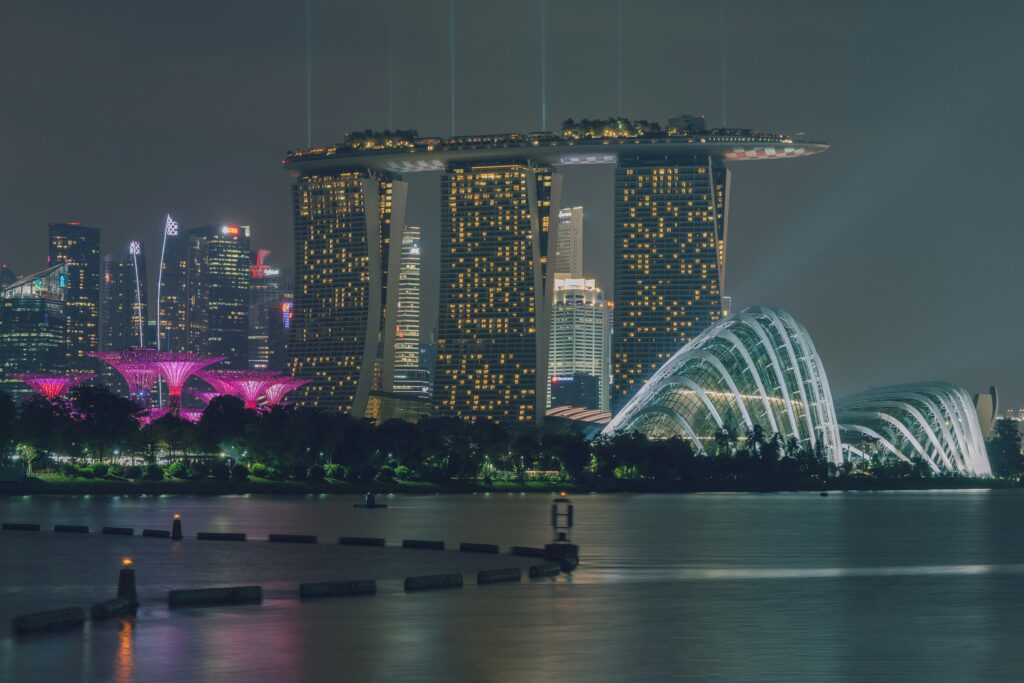
The good news is the foundation is forming.
Singapore is globally recognized as a leader in smart city innovation, from autonomous transport pilots to AI-driven utilities management. Across the region, momentum is building. Bangkok is digitizing public services. Ho Chi Minh City is trialing smart mobility. Jakarta is investing in flood-resilient infrastructure.
Over the past decade, more than $25 billion has flowed into Southeast Asian smart mobility, electrification, green buildings, and urban digitization. There’s a growing pool of urban tech startups, accelerators, and R&D labs supported by governments and VCs.
Yet, we’re only at the beginning.
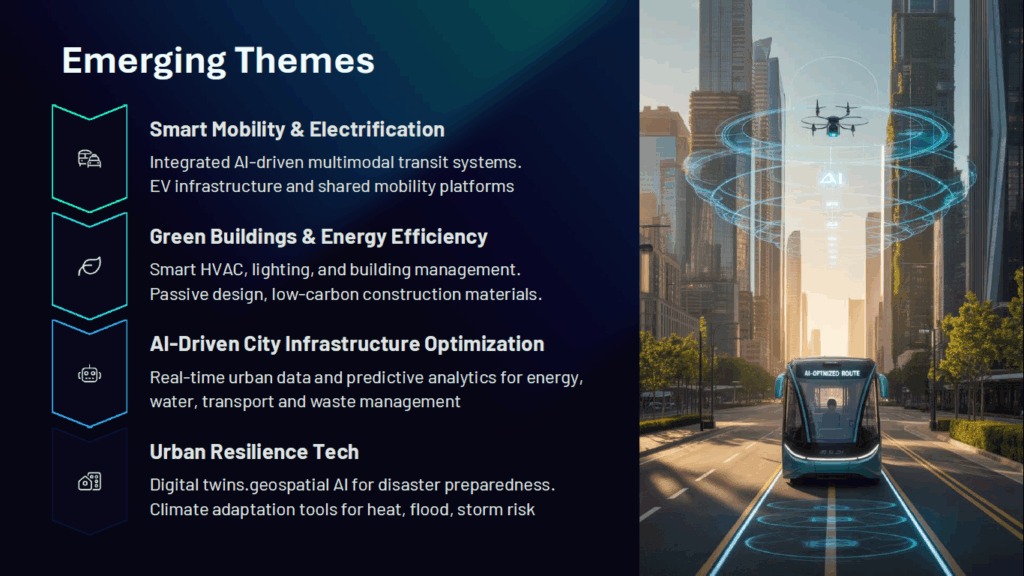
We see four high-impact themes emerging for AI and urban deep tech: smart mobility and electrification, green buildings and energy optimization, infrastructure intelligence, and climate resilience.
Startups stepping up to address these aren’t just software platforms. Many are grounded in hard science, material engineering, environmental chemistry, robotics, and edge AI. This is where deep tech excels. Science-based solutions tackling structural challenges.
At Antares Ventures, this theme is more than theoretical. Urban resilience and infrastructure modernization is one of our core investment theses. We’ve already partnered with exceptional founders building category-defining solutions.
Ackcio, a Singapore-based startup, is revolutionizing structural monitoring for critical infrastructure using a wireless mesh-based sensor network. This removes the need for costly retrofits in aging assets in various industries, from infrastructure and railways to mining.
Hydroleap is transforming water treatment with electrochemical systems that reduce industrial wastewater pollutants without the need for harsh chemicals. From the agrifood industry to pharmaceuticals to data centers, Hydroleap’s innovation has made a significant leap forward in both sustainability and scalability.
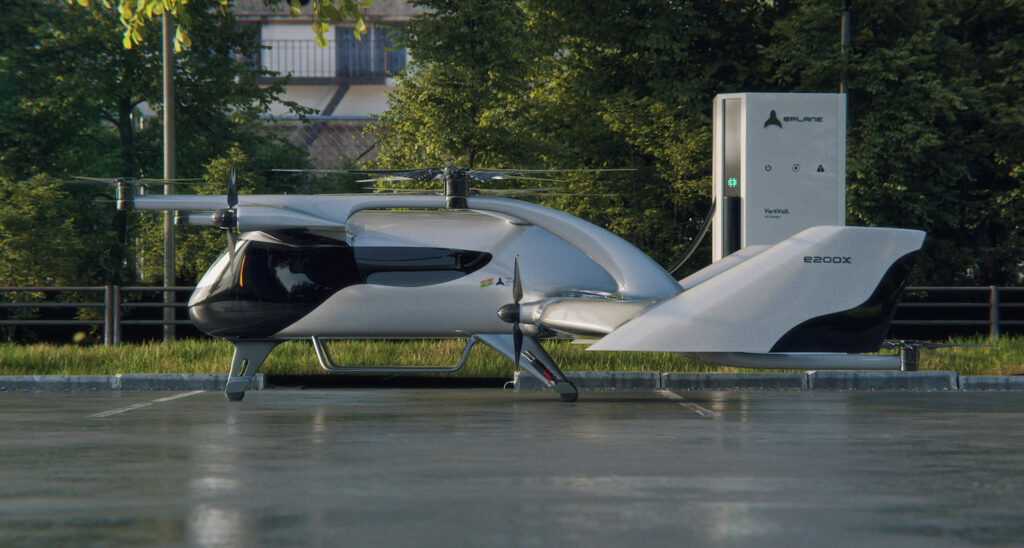
Indian companies like The ePlane Company are designing how we move within and above the urban fabric. Their electric Vertical Take-Off and Landing (eVTOL) aircraft opens the door to low-emission, high-efficiency air mobility in gridlocked cities. They were recently awarded as a WEF-Technology Pioneer for 2025, and will provide hundreds of air ambulance services in India.
Startups like VFlowTech, building scalable long-duration energy storage in Singapore and other places with their Vanadium Redox Flow Batteries (VRFB) systems, provide the backbone for resilient city power grids as electrification accelerates.
These aren’t abstract ideas. They’re piloting across Asia with real results, measurable outcomes, and strong commercial traction.
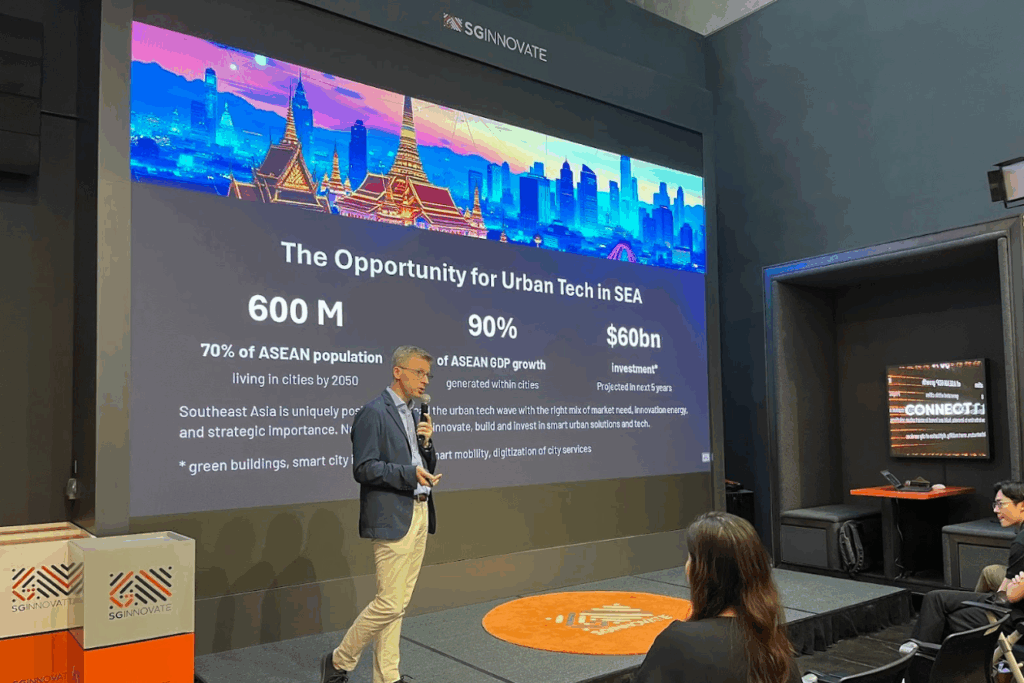
The opportunity is clear. With 600 million urban residents by 2050 and $60 billion projected in smart urban infrastructure and green building investments over the next five years, Southeast Asia is poised to become a global epicenter for urban innovation.
But promising science doesn’t scale just because it works in the lab. It scales when there’s alignment on localization, partnerships, and operational support.
Our strategy at Antares is to back science-driven ventures with early traction and clear regional fit. We work closely with founders to unlock pathways into Asia’s infrastructure ecosystem. That means helping navigate regulation, enabling first pilots, connecting with public and corporate partners, and offering insight into what’s really moving on the ground.
We’re not just funding. We’re building with them.
Cities are where humanity converges. If we can reimagine how cities power, connect, move, and protect their populations, we don’t just solve local problems. We create new foundations for resilience, security, and competitiveness.
This perspective was first shared by Michael Gryseels, our Founder and Managing Partner, at the AI x Smart Urban Solutions Tech Pitch and Networking event in Singapore, co-hosted by Austrade and SGInnovate (May 2025)
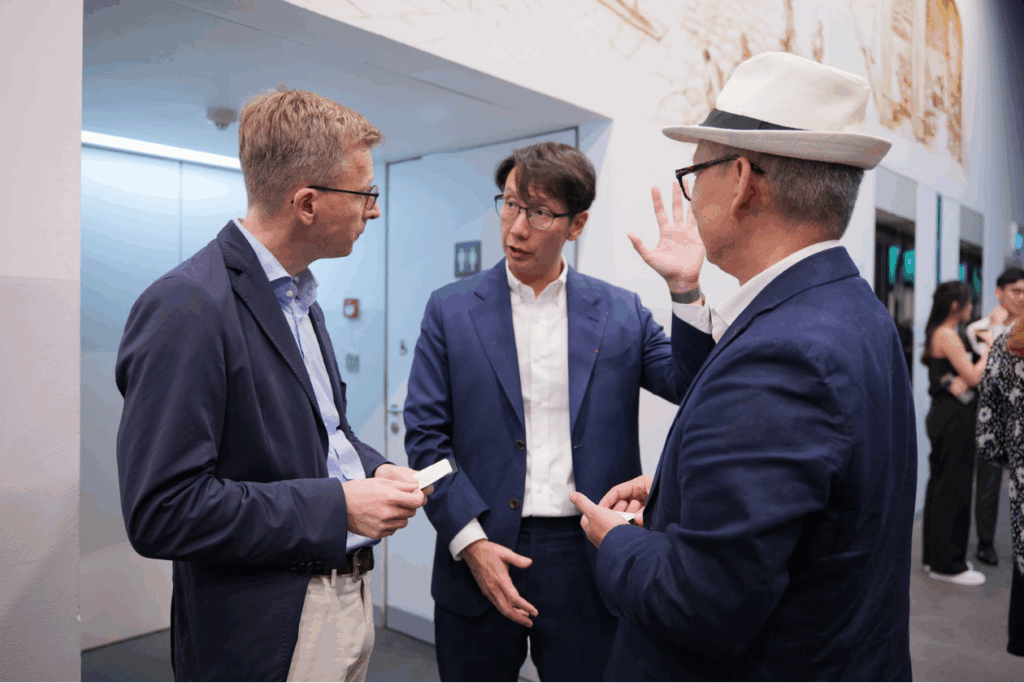
The session brought together Australian AI companies and Asia-based investors to explore how cities might scale resilience through technology. Michael spoke on a panel focused on infrastructure innovation, where the conversations were refreshingly grounded and more about near-term friction, deployment risk, and the gaps no one is funding yet.
📊 View Michael’s full presentation here →
Now is the moment to build. If these themes resonate with the challenges you’re building or investing for, we would welcome the conversation. Contact us here