Across Asia, post-harvest losses between harvest and retail remain significant, around 8.5 percent in Eastern Asia and 15.5 percent in Southeast Asia. In India alone, annual postharvest losses across major commodities are valued at approximately 11 billion dollars. In addition to these losses, crop residues are routinely burned on a massive scale. Each year, India burns an estimated 85 to 140 million tonnes of crop residues, China around 100 million tonnes, Vietnam more than 24 million tonnes in the Mekong Delta alone with national totals exceeding 51 million tonnes, Pakistan between 3.6 and 5 million tonnes, and Bangladesh around 3 to 4 million tonnes. Seasonal burning is also common across ASEAN rice and sugarcane regions, resulting in haze, greenhouse gas emissions, and soil nutrient depletion.
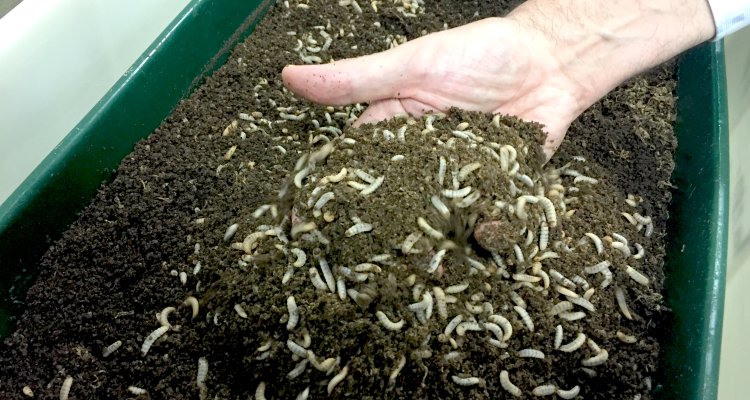
Scalable solutions include insect bioconversion, such as black soldier fly systems that convert food waste into protein and frass, with near-term traction in Malaysia, Indonesia, Vietnam, and Singapore. Additional opportunities lie in biomethane and biogas production from manure and paddy straw, which are particularly suited to India and the Mekong region, as well as biochar production, composting, cellulose material recovery, and enzymatic upcycling to reduce landfill waste and open burning while returning nutrients to fields.


