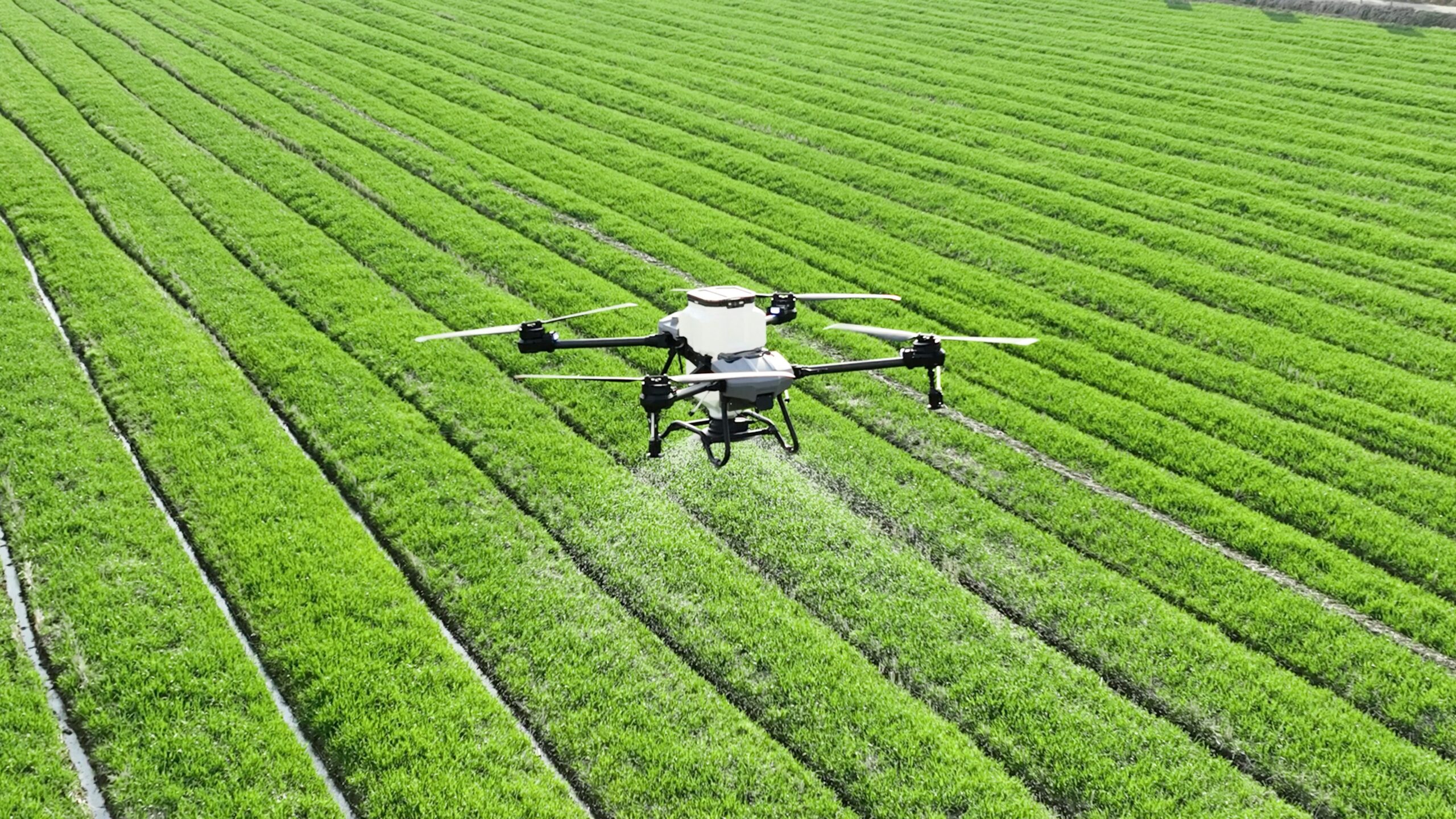
Asian food systems are built on fragmented farms, with more than 80 percent under two hectares in India and Southeast Asia. These smallholders are increasingly squeezed by volatile input costs, inconsistent irrigation, and more frequent climate shocks. At the same time, agricultural labor is aging and becoming scarce, while buyers demand tighter residue limits and full traceability that paper-based, one-size-fits-all practices cannot deliver. With urbanization lifting food demand but limited room to expand cropland, the region must raise productivity and quality while using less water, fertilizer, and fuel.
Precision and digital farming align with Asia’s “do more with less” reality, where service-based models for drones, shared sensors, and pay-per-acre analytics are more practical than owning expensive equipment. With 1.4 billion people in the Asia Pacific region using mobile internet, digital advisory, credit, insurance, and traceability tools can now reach rural areas affordably. Governments are accelerating adoption through programs such as India’s subsidies and AgriStack, Vietnam’s one million hectare low-emission rice program, Japan’s smart agriculture initiatives, and new drone service regulations in Indonesia and Thailand.
The emerging technology stack includes drones for spraying, seeding, and feeding; variable-rate fertilization guided by satellites and crop sensors; smart irrigation and fertigation systems; and hyperlocal weather and disease models delivered through lightweight farm apps connected to finance and procurement platforms. Together, these tools reduce input costs and residues, increase yields, and generate the traceability data that buyers now require for quality and sustainability assurance.


