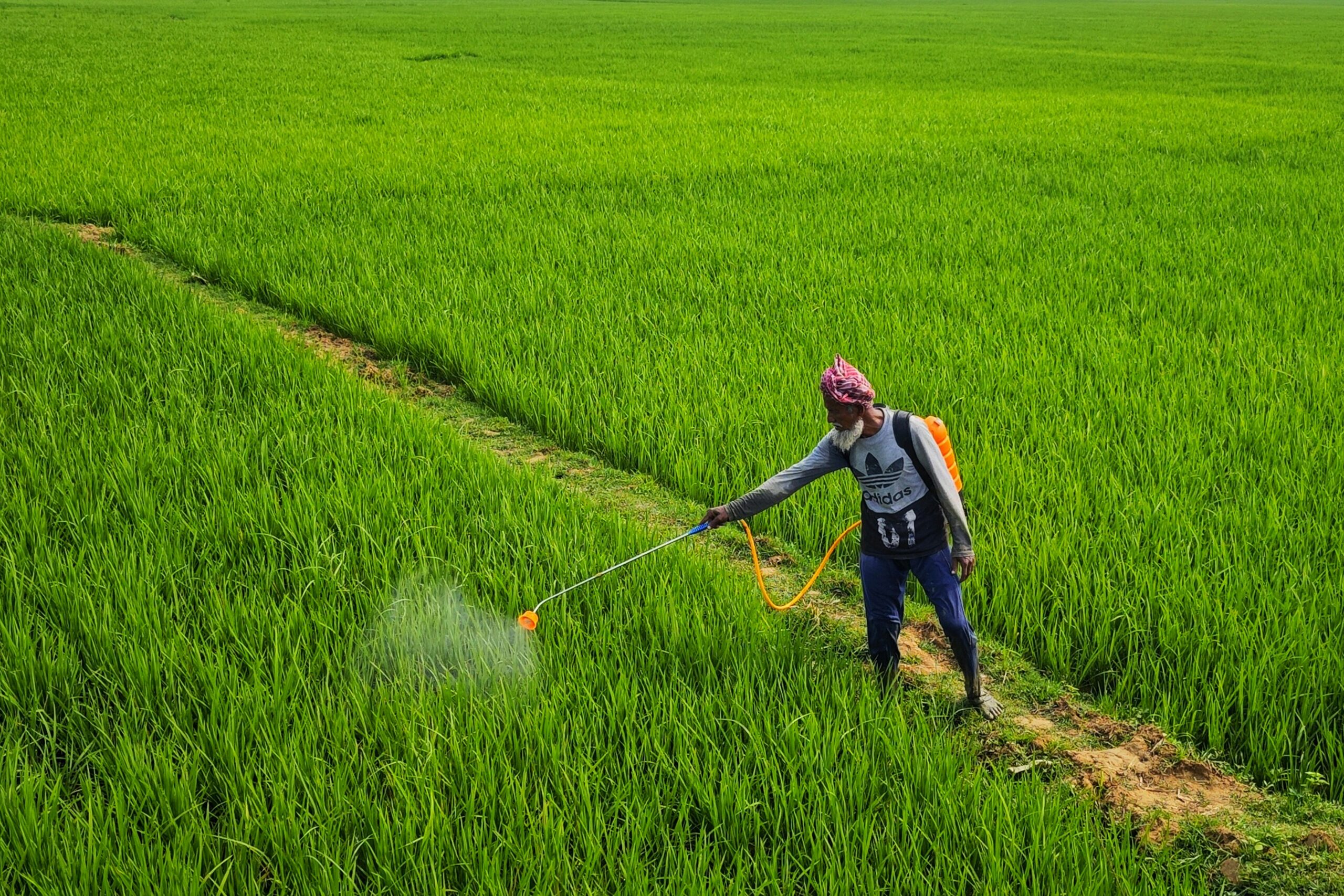
Asia’s intensifying pest and disease pressures have become a significant drag on crop yields and farmer income. For example, fall armyworm, first detected in India in 2018, spread across most of Asia within two years and can cause yield losses of around 46 percent in maize. In rice, bacterial leaf blight can reduce yields by as much as 74 percent in tropical Asia, with severe epidemics reported in Indonesia and other countries across the region. Bananas across the Philippines and wider Asia also remain vulnerable to banana bunchy top virus, which can wipe out entire production blocks. More broadly, plant pests and diseases account for up to 40 percent of global crop losses, underscoring how quickly output can collapse without systematic surveillance and integrated pest management (IPM).
The practical technology stack combines early warning systems, including remote sensing and pheromone traps, with resistant varieties, clean planting material, and targeted biological controls suited for residue-sensitive export markets. Given the scale of pest pressure and exposure in maize and banana, India, the Philippines, and Indonesia are likely to be near-term adopters of integrated surveillance and IPM solutions, with Vietnam adding demand through its national agricultural extension system.


