Farmers across Asia are facing hotter growing seasons, increasing salinity and flooding in coastal deltas, chronic water and fertilizer constraints, and fast-evolving pests and viruses that can wipe out entire smallholder harvests. At the same time, urbanization and rising incomes are driving demand for higher-quality staples and vegetables even as rural labor becomes more limited.
Gene editing that accelerates traits such as stress tolerance, nitrogen use efficiency, and disease resistance is now moving from lab research to field application. The regulatory landscape is also becoming more favorable. India now exempts SDN-1 and SDN-2 gene-edited plants that contain no foreign DNA from the most stringent GMO rules and has published review standard operating procedures. Japan’s policy similarly places many gene-edited foods outside full GMO regulation, with notification requirements only, which shortens the time to market.
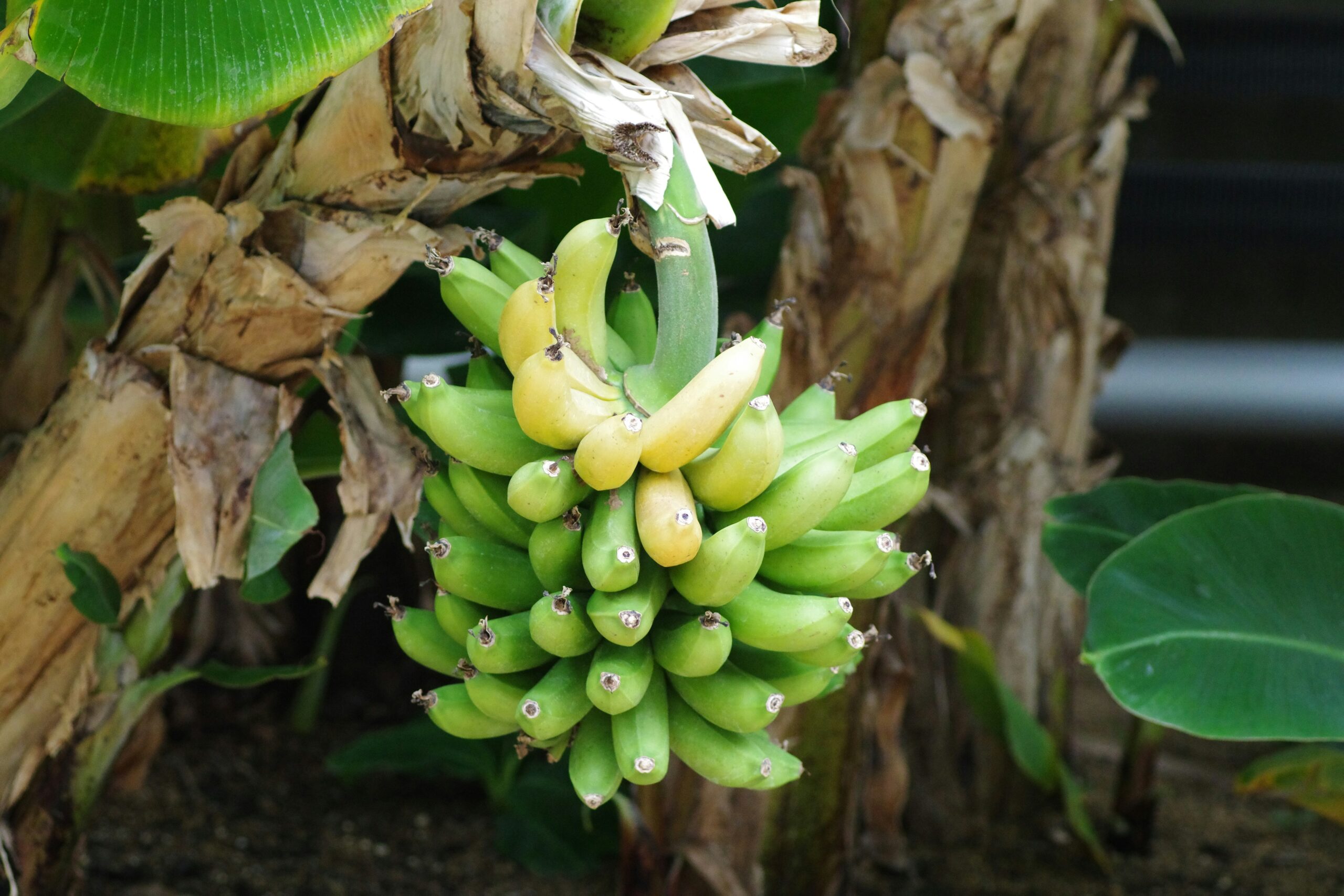
Practical applications in Asia include shorter-cycle, heat- and salt-tolerant rice and wheat, banana varieties resistant to banana bunchy top virus (BBTV), and low-input vegetables suited for peri-urban supply chains. Early commercialization appears strongest in India and Japan given the policy clarity in both markets, with follow-on potential in Vietnam and Thailand as seed companies localize traits for heat, salinity, and emerging pest pressures.


